
1 5
Tainui Group Holdings
Annual Report
2012
Governance
In February I gave notice of my intention to resign on
30 June 2012, after almost a decade on the Board. On
30 March, Te Arataura, the Executive of
unanimously approved TGH’s recommendation that
Sir Henry van der Heyden, the outgoing Chairman of
Fonterra, replace me as an Independent Director. At
its July meeting this year, the TGH Board must elect a
new Chairman.
From 1 April 2012, chartered accountant and
professional director Joanna Perry joined TGH as a
specialist advisor to the Board. It has long been our
intention to fnd a replacement in this role for Rob
McLeod, who performed this function for several years.
I would like to thank retiring Board members
Rukumoana Schaafhausen and Rahui Papa for their
work during the year, and welcome Paki Rawiri and
Hemi Rau.
I do however want to pay a very special tribute to the
Hon. Koro Wetere, also retiring, who has served with
me on the Board for the whole decade I have held the
role of Chairman. His has been a pivotal role. Koro
has been the rock-solid bridge between the tribe
and TGH, and between ourselves and other tribes
with whom we have sought to establish commercial
relationships over the years. He has also been an
active and engaged member of the Board throughout.
He, as much as anyone, deserves enormous credit for
where the company is today.
Improving the capability to deliver
Rukumoana Schaafhausen
has been a member
of Te Kauhanganui, the
tribal Parliament, since
its inception in 1995. She
was a tribally appointed
Director of TGH from 2009-
2012. She is also a Director
of Genesis Energy, Regional
Facilities Auckland Limited
and the NZ Centre for
Social Innovation.
In 2011 she applied for and was accepted on a
one year course run by the New Zealand
chapter of ‘Global Women in Leadership’. The
course is designed for women in either the
public or private sectors who are breaking into
senior management or governance roles. It
involves a programme of study and assignments,
supported by monthly day-long workshops and
ongoing mentoring.
For Ruku, the most signifcant beneft was
becoming more aware of her own leadership
capabilities, and developing more confdence to
use them. “I defnitely felt I was able to make a
greater contribution to TGH as a result, especially
around strategy.”
“Being a tribally-appointed Director is all
about ensuring alignment between the tribe’s
objectives and TGH’s commercial ones. It
also involves going back to the tribal Board
(Te Arataura) and talking with them about the
challenges and opportunities facing TGH. What
you’re looking for is win-win outcomes,” she says.
Looking back over her time in tribal governance
roles, Ruku says that tribal members have
become very astute and are more involved.
“They have always been clear about what they
wanted, but now they want to see greater and
more tangible returns from both tribal and
commercial investments.”
She applauds this. “If iwi are doing well, so will
the rest of New Zealand.”
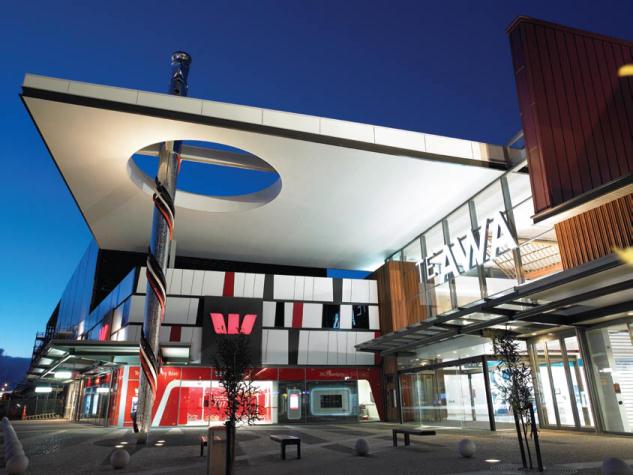
Te koohao o te ngira ki Te AWA